
Proteus. Latin American and Caribbean Center for Maritime Decarbonization and Competitiveness

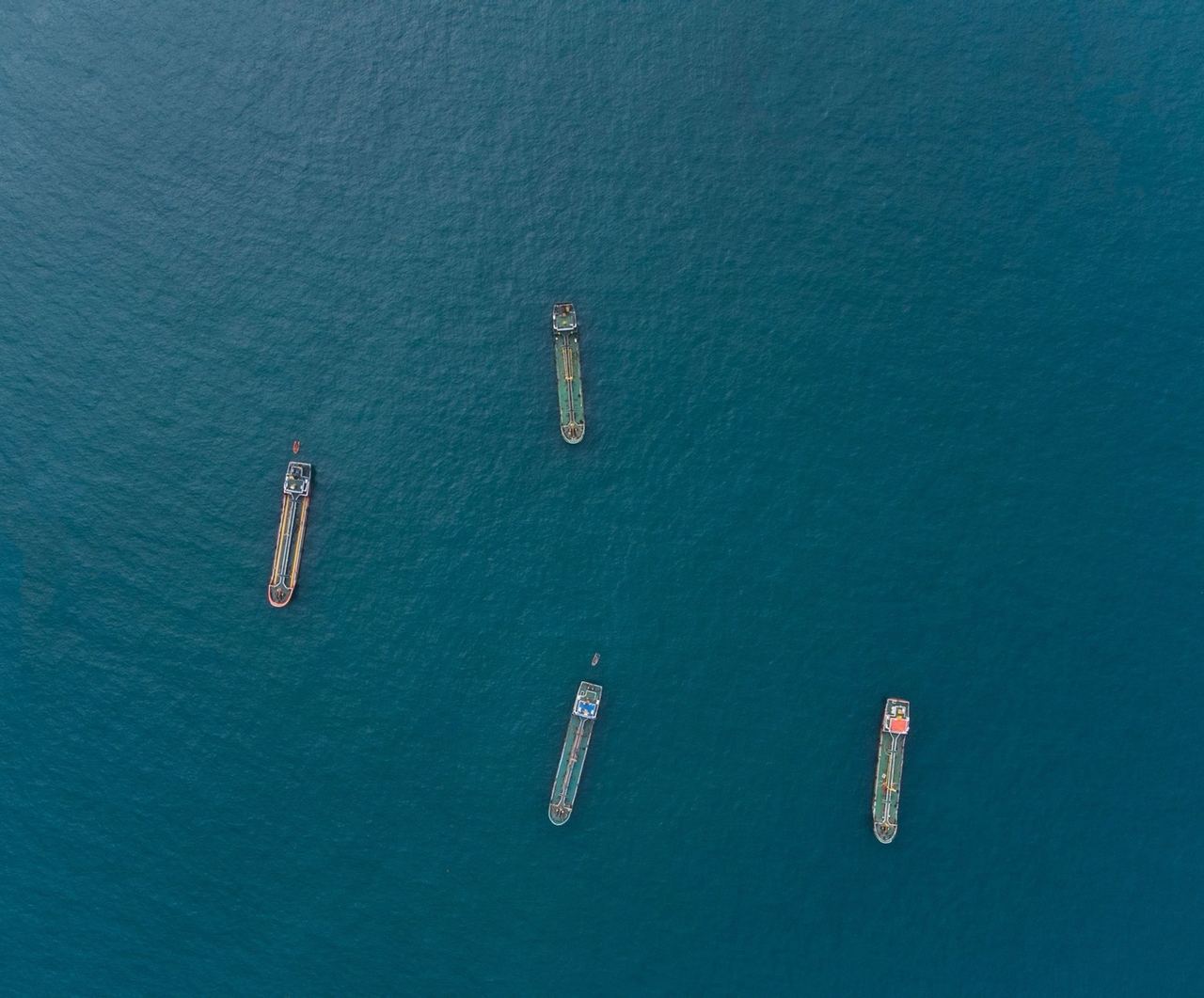
Aerial view of four ships at sea

Latin America and the Caribbean can help define the future of shipping.

Proteus is a regional platform building permanent capacity to understand, influence and drive the transition to net-zero emissions.

The rules of the maritime transition are being written now.

  1. Now

    The IMO will define the Net-Zero Framework, and an active regulatory framework in the European Union is creating demand for clean technologies and fuels. Emerging economies are moving fast on clean fuels and electrification.

  2. 2030

    Green ammonia and methanol supply chains will begin to scale commercially; countries that prepare now will capture the opportunities and mitigate the costs.

  3. 2040

    Today's decisions will shape trade costs and competitiveness for decades. The countries best placed to mitigate costs and seize opportunities will be those that plan for the transition now.

  4. 2050

    Net-zero emissions, the goal of the 2023 IMO Strategy.

  5. 2060

    The industry keeps developing with a focus on sustainability and competitiveness.

The sea surface at night with reflections of light

Latin America and the Caribbean has the assets to compete in the maritime transition, but the capacity to shape it must be built now.

Study
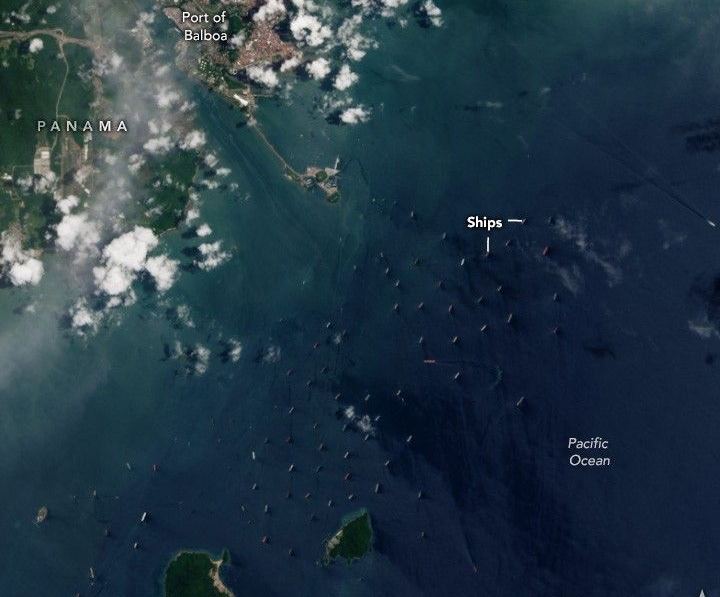
Satellite view of ships waiting at the entrance to the Panama Canal, off the Port of Balboa
NASA Earth Observatory / Wanmei Liang

The maritime energy transition and Latin America: cost, influence and opportunity in the face of the IMO's mid-term measures.

Around 80% of world trade moves by sea, and in 2026 the International Maritime Organization is negotiating the measures that will govern the sector's decarbonization.

Read the study

Team

Board of Directors

Teal waves seen from above

Latin America and the Caribbean must not only adapt to the rules of global shipping; it must also help define them.

Join the conversation